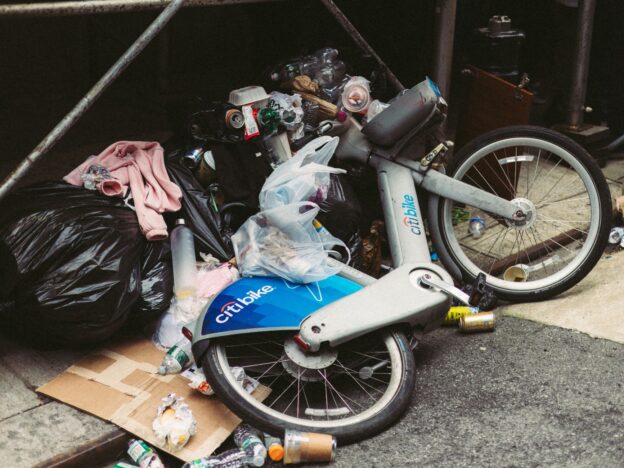
Where does all the garbage go? It’s the first question a new event coordinator asks and the last one anyone thinks about while they’re actually enjoying the music. Long before the first band tunes up or the first vendor flips a sign to open, someone has already mapped out where a container will sit, when it arrives, and how many times it will need to be swapped before the field is empty again. That planning is the quiet spine holding a public gathering together in the humid stretch of a Shenandoah Valley summer.
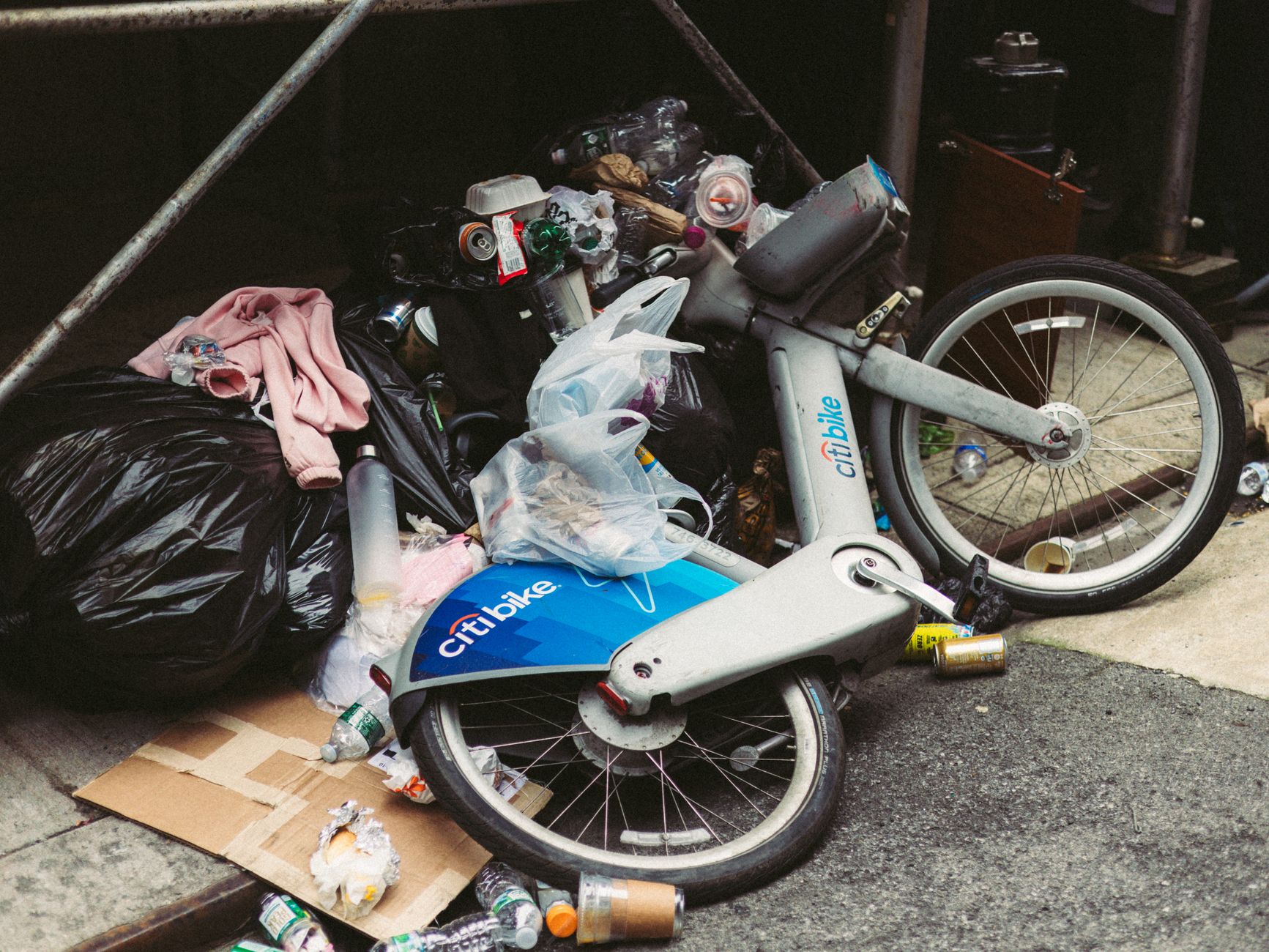
Load-in week and the packaging waste that piles up before anyone arrives
The trash starts days early. When vendors and crews begin hauling in equipment, they bring an astonishing volume of packaging with them. Shrink wrap peeled off pallets of bottled water. Cardboard boxes that held everything from string lights to funnel cake mix. The foam and plastic that cushioned a rented sound system. Zip ties, banding straps, and the endless brown wrapping that protects folding tables and tent poles in transit.
A coordinator who has done this before schedules the container to land on the grounds at the start of load-in week, not the morning of the event. That single decision changes the mood of setup. Crews toss their debris into the bin as they unpack instead of leaving heaps of flattened cardboard blowing across the parking area, and the site looks presentable before the public ever sees it. In this part of the region, an afternoon thunderstorm can turn a pile of loose packaging into a soggy mess that clings to everything, so getting it contained early is as much about weather as tidiness.
The event hours when the bin fills faster than the crowd can toss
Then the gates open, and the arithmetic of trash changes entirely. Setup waste is bulky but predictable. Event waste is relentless. Every drink cup, paper boat, napkin, and half-eaten plate of food arrives in a steady stream that peaks whenever the food vendors do. A single busy afternoon can produce more volume than the entire load-in week, because thousands of people each generate a little and it all lands in the same place.
This is the stretch where the plan either holds or falls apart. Volunteers work the receptacles scattered through the grounds, and their whole job becomes ferrying full bags to the central container before the smaller cans overflow. A coordinator who has run the numbers knows roughly how fast the bin fills and lines up a mid-event swap or a second container so the flow never backs up. Getting that timing right often comes down to a straightforward conversation ahead of the date, and working with a provider like JKV Dumpster Rental to size the drop and schedule the haul means the difference between a smooth afternoon and a pile of leaking bags baking in the sun. Nothing sours a festival’s atmosphere faster than trash spilling out near the stage while the crowd is at its thickest.
Teardown morning and the final haul that clears the grounds
When the crowds go home, the grounds hold their last and heaviest surprise. Teardown produces a different kind of waste than setup did. Broken tent stakes, snapped zip ties, torn banners, spent decorations, and whatever vendors decided wasn’t worth packing back into the truck. Add the residue the crowd left behind, and the final morning is a full sweep of the field.
The coordinator times the last pickup for after teardown wraps, so the container leaves full rather than sitting half-empty overnight. By mid-morning the truck rolls in, hooks the bin, and pulls away, and the field returns to being an ordinary patch of grass. What looked like organized chaos the day before is gone, and the property owner gets back a clean site with no lingering evidence of the thousands who passed through.
So the choice in front of anyone planning a gathering isn’t really whether to rent a container. It’s whether to treat trash as an afterthought bolted on at the last minute, or as a scheduled part of the event that arrives when load-in begins, keeps pace with the crowd, and leaves only after the last stake is pulled. One approach ends with a clean field by lunchtime. The other ends with a coordinator hauling bags to their own truck long after everyone else has gone home.